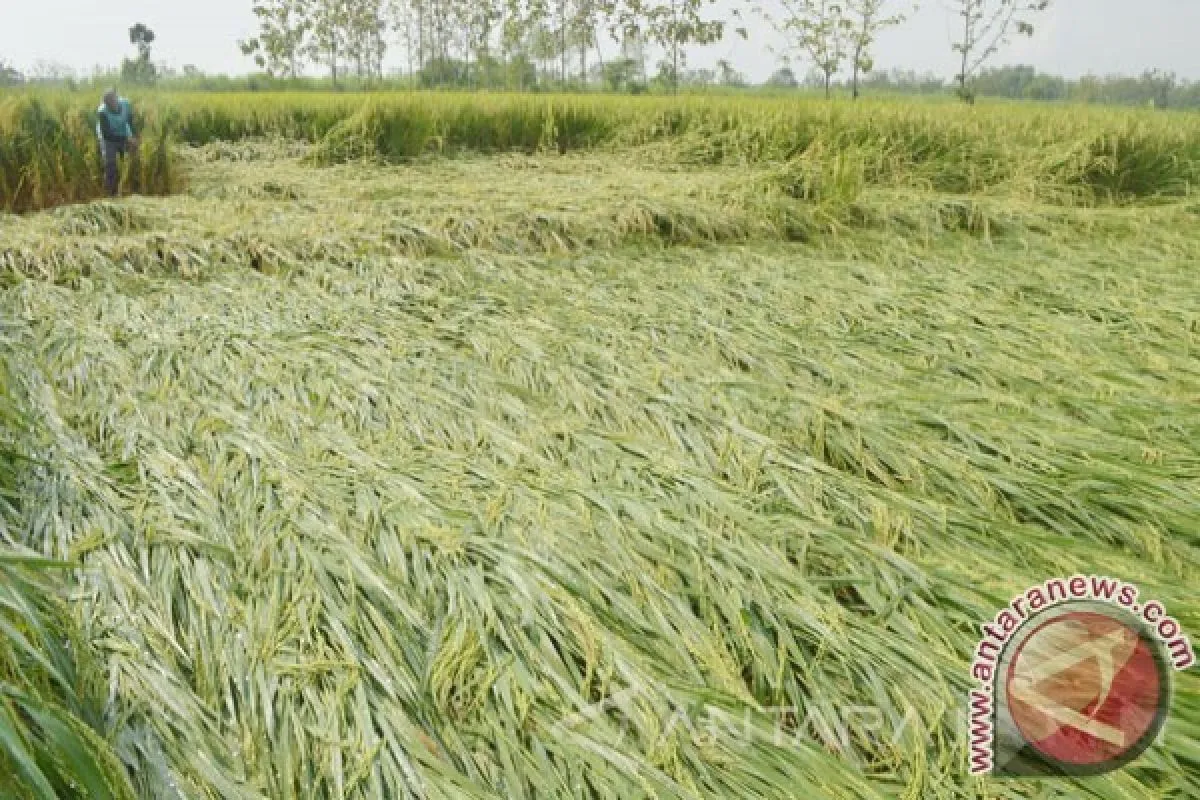
If not immediately sprayed with insecticides, rice grain that has started out (red: brobot) will puso (fail), no contain,Kotabaru, S Kalimantan (Antaranews Kalsel) - Hectares of paddy fields in Kotabaru District, South Kalimantan, threatened with crop failure due to walang sangit (Hemiptera: Alydidae) or ladybug attacks.
A farmer in South Kelumpang, Kotabaru, Dasim, on Monday said the pest abruptly appeared in the rice crops area when grain begun to spiral out.
"If not immediately sprayed with insecticides, rice grain that has started out (red: brobot) will puso (fail), no contain," he pointed out.
He said, the pest coming was about two weeks ago, especially when the rainfall in Kotabaru is high.
Another farmer, Simin added, the handling of pests can not be slow, because it is fatal.
"Hot rain and hard work that has been long with a fee that is not a bit this can be in vain if the pest is not immediately annihilated," he warned.
Therefore, Dasim, Simin and the farmers in South Kelumpang are quick to deal with the problem of the pest.
But on the other hand, for farmers whose capital is barely able to buy toxins or insecticides to eradicate the walang sangit just accept resignation.
Acting Head of Agriculture Agency has not been able to be confirmed related to the problems faced by farmers in Kotabaru.
In the meantime, the pest is an insect that becomes an important pest on cultivated plants, especially rice.
In Indonesia, these insects are called: kungkang (Sunda), pianggang (Sumatra), and tenang (Madura). The animal is easily recognizable from its elongated shape, about 2 cm in size, gray-brown, and has a "proboscis" to suck the liquid of the plant. Walang sangit is a member of the Order of Hemiptera (the real nation of bugs).
Walang sangit sucking plant fluid from the flower stalk (paniculae) also the liquid of the rice which is still in the ripe stage, thus causing the plants lack of nutrients and yellowing (chlorosis), and slowly weakened.
The name of this animal shows the form of self-defense, which is the smell of a nose sting (so called "sangit"). Actually not only the pest of a sage that issued this scent, but also many other Alydidae members.
Pewarta: Imam HanafiEditor : Mahdani
COPYRIGHT © ANTARA 2026


