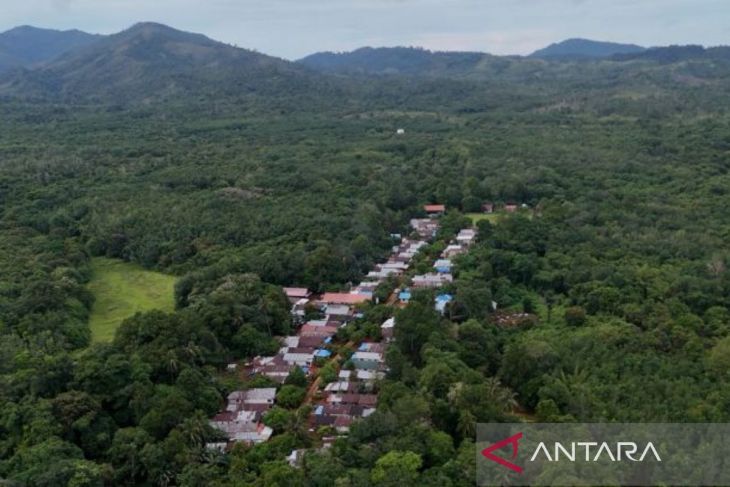
Meratus Mountains, geologically formed from oceanic crust called ophiolite, which rose to the surface 200-150 million years ago, were designated as geopark and was recognized as UNESCO Global Geopark (UGG) in 2025.
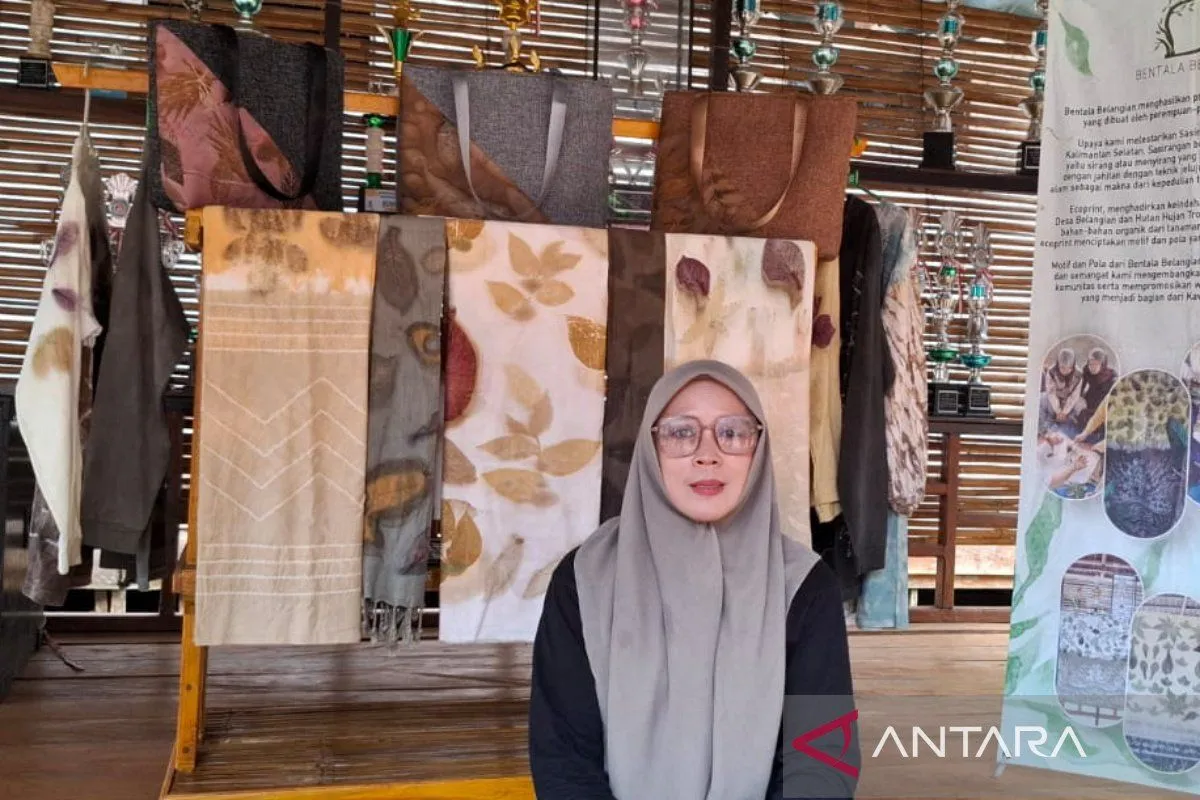
Belangian produces Sasirangan cloth using an environmentally friendly ecoprint technique with organic material from plants, such as leaves, flowers, and roots within the village's forest art trail.
Belangian has a unique forest, Kahung tropical rainforest, rich in flora and fauna, and unique ancient rocks rarely found elsewhere. It is one of 54 Meratus Geopark sites highly protected by conservation.
"The motifs and patterns from Bentala Belangian are inspired by the natural wealth and our enthusiasm for developing the economy of village women and communities, as well as promoting cultural tourism in Belangian Village," said Bentala Belangian chairperson Idah Fitriati recently.
Read also: South Kalimantan intensifies forest rehabilitation by embracing villagers in Belangian
She said all the dye are taken directly from nature, leaves, roots, bark and fruit.
They use teak leaves, lanang leaves and gulinggang leaves. They can also use bark from halaban trees, mahogany and ironwood dust. Even rambutan fruit and cocunut husks can be used as dyes.
Craftmen can combine five colors into a single motif and pattern, beautifuly depicted on the Sasirangan fabric.
Surely, this meticulous production process, combined with the lengthy process, can improve its quality in the market. And it was proven by the fact that Sasirangan cloth from Belangian Village represented South Kalimantan at a national exhibition on appropriate technology in Lampung Province in 2023.